

Feelings and calm-down chart
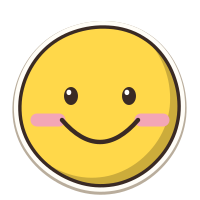
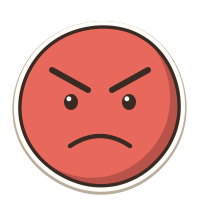
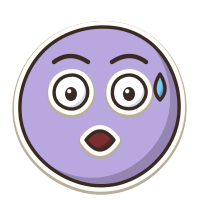
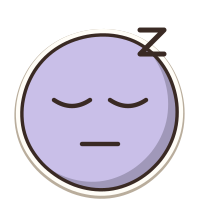
A feelings chart gives a young child the words and the pictures for what is going on inside. Choose four to eight faces, add a week chart to tick, and set the calm-down steps in the order that works for your family. Younger children start by pointing at a face; older children can tick a face each day.
Free. You log in first. Prints from your browser.
| Ages | Ages 2–8 |
|---|---|
| Pages | 1–3 |
| Paper | A4 |
| Languages | English, Português, Español, Deutsch and Français |
| What you need | Paper and a pencil. A fridge magnet or tape is optional. |
Example
What is in it
Three pages to choose from
A poster of faces, a week mood chart and calm-down steps. Print one or all three.
You pick the faces
Ten feelings to choose from, from happy and sad to worried and proud.
Calm-down steps in your order
Breathe, count, hug a teddy, drink water and more, with tick boxes if you like.
Nothing to type
There is no name or text to enter, and nothing about your child is saved.
How to play
Point to a face and name it
- Look at the faces together and say each name.
- Ask your child to point to the face that fits how they feel.
- Say it back: 'You feel sad.' Then ask what might help.
Naming a feeling is the first step to handling it. All feelings are fine to have; it is what we do next that we practise.
Practise the steps when everyone is calm
- Pick the steps on the chart and try them together, one at a time.
- Make it a game: slow breaths with a balloon, or count to ten with big arms.
- When a hard moment comes, point to the chart and do the first step with them.
A calm-down step is easiest to learn when it is not needed yet. Try each one for fun first.
Check in at the same time each day
- Choose a time, such as after dinner, and put the chart where your child can reach it.
- Your child ticks the face for today. Say 'tell me more' if they want to.
A short, regular check-in makes talking about feelings feel ordinary.
Questions parents will probably ask
Yes. It is free to use, and you can print as many as you like. You can look around here without signing up. To make one for your child, log in or create a free account.
Ages 2 to 8. The poster suits about 2 to 5, the week chart about 5 to 8, and the calm-down steps any age that can follow a short list.
Print from your browser. Choose paper A4, scale 100% (not fit to page), single-sided, and switch headers and footers off.
No. It is a simple everyday tool to help a child name feelings and practise calming down. If you are worried about your child, talk to your doctor or health visitor.
Yes. Pick two to six steps and put them in your own order. A prayer step is there too, switched off until you add it.
Feelings and calm-down chart
Paper faces to point at, a week mood chart to tick and calm-down steps to follow.
Open the builder